
Blog
Smart, Efficient Comfort: Trends Shaping Residential HVAC in North Georgia
The 2026 Guide to Smarter Home Comfort in Georgia
Home comfort is becoming more resilient, efficient, and personalized as technology and building practices evolve. Households across North Georgia are rethinking their HVAC strategies to handle humid summers, chilly winter snaps, and shoulder-season swings while keeping energy use in check. From smarter controls to targeted equipment upgrades, homeowners have more options than ever to improve comfort and reliability without overspending or overhauling an entire system at once.
Why Whole-Home Strategy Beats One-Off Fixes
Well-balanced comfort plans consider equipment, ductwork, airflow, and indoor air quality together. Upgrading a single component helps, but results compound when you combine steps like AC Maintenance with duct sealing or pair Heating Repair with smarter controls. This whole-home lens helps avoid common pitfalls like oversized systems, inconsistent rooms, and unnecessary runtime.
Smarter Controls and Practical Zoning
Modern thermostats do more than set temperatures; they learn routines, fine-tune schedules, and manage humidity. When paired with zoning—either through dedicated duct zones or separate systems—families can customize comfort for different floors or living spaces. This is especially useful for homes with additions, basement conversions, or guest spaces that aren’t used daily. Thoughtful zoning reduces strain on equipment and can support longer system life, especially when combined with routine AC Maintenance before peak season.
Ductless Mini Split Advantages
Ductless Mini Split Installation and Ductless Mini Split Replacement have become go-to solutions for bonus rooms, sunrooms, and garages converted to living space. Without the need for extensive ductwork, these systems provide targeted heating and cooling with quiet operation and precise control. They also pair well with whole-home systems, allowing a main HVAC system to run more efficiently while a ductless unit manages hot or cold spots. In homes where ductwork is impractical, ductless systems can be a primary comfort solution with year-round performance.
Indoor Air Quality Essentials
Comfort is about more than temperature. Air Purifiers reduce airborne particles and help keep coils cleaner for sustained performance. Dehumidifiers & Humidifiers balance moisture, which is crucial in our region to reduce stickiness in summer and dryness in winter. Targeted moisture control supports comfort at slightly higher summer setpoints and helps protect finishes, instruments, and woodwork. When planning equipment upgrades, consider airflow, filtration, and humidity together to create a healthier, more consistent indoor environment.
Planning and Priorities: A Homeowner’s Checklist
1) Start with an evaluation: Ask for a load assessment and airflow check to confirm system sizing and duct performance before any AC Installation or Furnace Repair decisions.
2) Tackle maintenance first: Simple steps like coil cleaning, filter changes, and drain checks can restore lost capacity and may prevent bigger issues during heat waves or cold snaps.
3) Address problem rooms: Consider Ductless Mini Split Installation for spaces that never feel right, or look for duct repairs and balancing if the main system is otherwise sound.
4) Upgrade controls: A smart thermostat with room sensors can smooth out hot-and-cold zones and offer insights into runtime, filter status, and humidity.
5) Improve filtration and IAQ: Pair Air Purifiers with appropriate filters, and add Dehumidifiers & Humidifiers to help stabilize comfort year-round.
6) Sequence projects: If the system is aging, plan AC Installation alongside duct improvements and controls to maximize the benefits of a new unit.
7) Don’t forget hot water: Water Heater Repair keeps daily routines flowing and can be scheduled with seasonal HVAC work to minimize disruptions.
Seasonal Timing and Local Considerations
Timing matters. Spring and fall are ideal windows to schedule inspections, make upgrades, and plan for peak weather. If you’ve been considering alpharetta air conditioning installation, early planning helps align equipment lead times, electrical considerations, and any duct modifications. Homes with fireplaces or gas heat should also budget time for safety checks before the first cold front, ensuring Heating Repair or Furnace Repair needs are addressed proactively.
Future-Proofing Your System
Technology will continue to evolve, but the fundamentals remain: right-sized equipment, clean airflow pathways, dependable controls, and routine care. By approaching HVAC, Plumbing support where needed, and related home systems as one ecosystem, you build a resilient foundation that adapts gracefully to North Georgia’s fluctuating weather while keeping comfort steady all year.
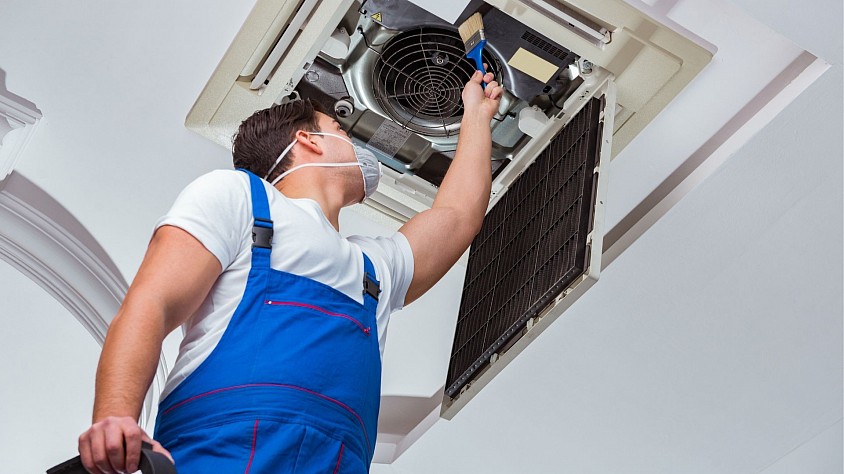
Smart, Healthy, and Efficient: What’s Next for Home Cooling and Heating
Comfort expectations are rising, energy codes are tightening, and homeowners want systems that do more with less. The residential HVAC industry is evolving to meet those goals, blending smarter controls, higher-efficiency equipment, and better indoor air strategies that work together in real homes and real weather.
The Shift Toward Right-Sized Systems
Bigger isn’t better when it comes to HVAC. Proper load calculations, duct design, and commissioning help achieve steady temperatures, quiet operation, and lower utility bills. Right-sized AC Installation paired with balanced airflow avoids short cycling and humidity swings. For homes planning renovations or additions, Ductless Mini Split Installation and Ductless Mini Split Replacement provide targeted comfort without extending ductwork, making them an efficient option for bonus rooms, sunrooms, and finished basements.
Smart Controls and Preventive Care
Smart thermostats and connected sensors now do more than set temperatures. They learn patterns, track runtime, and can remind you when AC Maintenance is due. Simple steps prevent major headaches: clean filters, clear condensate lines, and seasonal tune-ups reduce strain on compressors and blowers. Pro service teams can also spot issues early, from low refrigerant to weak capacitors, heading off costly Heating Repair or Furnace Repair down the road.
Managing Humidity and Indoor Air Quality
Comfort is a balance of temperature and moisture. In muggy climates, dehumidification improves comfort at higher setpoints, cutting energy use. Whole-home Dehumidifiers & Humidifiers keep relative humidity within a healthy range, protecting woodwork and discouraging pests. High-grade Air Purifiers help reduce particles and allergens, while proper ventilation helps expel indoor pollutants from cooking, cleaning, and everyday living.
Reliability Through Seasonal Readiness
A little planning keeps summer heat waves and winter cold snaps from becoming emergencies. Build a seasonal checklist and schedule service before peak demand. If your system struggles to reach setpoint, makes new noises, or causes hot and cold spots, it may be time to evaluate repairs versus replacement. Water Heater Repair is another key piece of home comfort readiness—few things disrupt routines like a surprise cold shower.
What to Ask Before Upgrading
Before you invest in new equipment or controls, get clear on the essentials:
- What size and efficiency rating best matches my home and lifestyle?
- How will duct condition, airflow, and filtration be verified?
- What humidity target is ideal for my climate and finishes?
- Can smart controls integrate with my existing system and Wi‑Fi?
- What maintenance is recommended to protect the warranty?
Local Climate, Local Solutions
Regional weather shapes the right solution. In hot, humid summers, a system with strong latent removal and variable-speed capability can tame indoor moisture while maintaining quiet, steady comfort. For homes without ducts—or where additions outpace the existing system—ductless options offer zoned efficiency and design flexibility. Homeowners planning alpharetta air conditioning installation often combine a high-efficiency outdoor unit, properly sized indoor equipment, and sealed, insulated ducts to capture meaningful savings and quieter performance. Whether you need swift AC repair, a thoughtful upgrade path, or guidance on IAQ accessories, the best outcomes come from a holistic approach: assess the envelope, right-size the equipment, fine-tune airflow, and maintain it regularly.
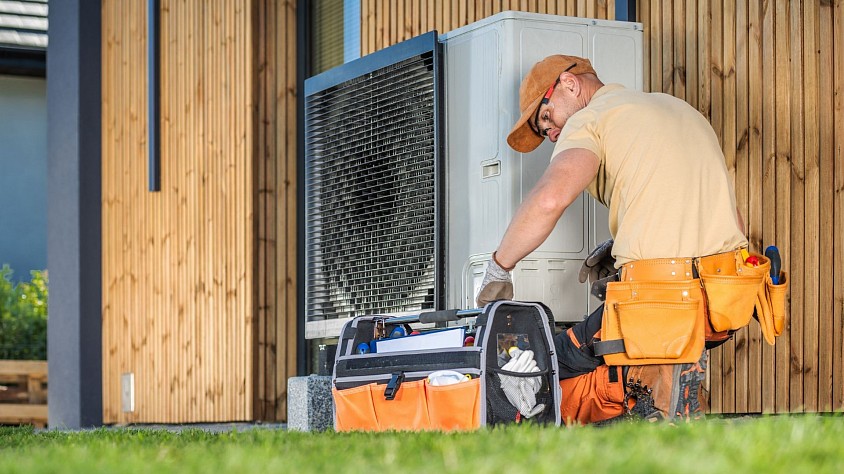
Smart Seasonal Strategies for Reliable Home Comfort in North Georgia
Home HVAC Trends Shaping Reliable Comfort
Staying comfortable through hot summers and chilly snaps requires a plan that balances efficiency, reliability, and healthy indoor air. Today’s homeowners expect systems that run smoothly, adapt to changing weather, and keep operating costs predictable. The market is responding with smarter maintenance practices, targeted upgrades, and tailored solutions for spaces with or without existing ductwork. Just as important, local expertise helps align system choices with regional climate needs and building styles.
Smarter Maintenance Scheduling
Preventive care remains the simplest way to protect equipment and avoid disruptions. AC Maintenance isn’t just a quick tune; it’s a structured process that checks airflow, refrigerant levels where applicable, electrical connections, and condensate drainage to reduce strain and extend service life. On the heating side, routine inspections can catch issues early, and prompt Heating Repair or Furnace Repair helps avert seasonal breakdowns. Predictable scheduling—especially before peak weather—keeps comfort steady and reduces surprises.
Indoor Air Quality Priorities
Comfort increasingly means more than temperature. Air Purifiers, Dehumidifiers & Humidifiers help manage airborne particles and balance humidity, which can influence comfort and system performance. A well-placed purifier can complement a high-performing HVAC system, while proper humidity control can help reduce the chance of condensation around windows and discourage overly dry conditions that irritate skin and sinuses. Matching these tools to room size and system capacity ensures they work effectively without overloading equipment.
Right-Sizing and Zoning with Ductless
Homes without existing ductwork, additions, home offices, and bonus rooms can benefit from Ductless Mini Split Installation. These systems allow targeted comfort by room, helping address hot spots and cool basements without pushing the entire system harder than necessary. When equipment ages out or no longer meets comfort needs, Ductless Mini Split Replacement offers a chance to right-size capacity and improve zoning. Proper placement of indoor units, attention to line set routing, and routine cleaning are critical to quiet, efficient operation.
Plumbing and Water Heater Considerations
HVAC and Plumbing often intersect around condensation management, drain lines, and appliance locations. A neglected drain can create moisture issues that affect comfort and air quality. Water Heater Repair also plays into overall home comfort, ensuring steady hot water for daily routines while supporting balanced household energy use. Coordinating plumbing checks with seasonal HVAC visits can catch small problems early, from minor leaks to insufficient hot water recovery.
Choosing Local Expertise
Regional experience makes a difference. Professionals familiar with North Georgia’s weather patterns know how humidity spikes and heat waves strain equipment. Homeowners often turn to hvac contractors alpharetta for guidance on pairing AC Installation with indoor air upgrades or for clarifying whether a furnace concern calls for quick Heating Repair or a more thorough evaluation. Clear communication, documented maintenance, and service histories empower better decisions over time.
Seasonal Comfort Checklist
Consider a simple, repeatable routine to protect comfort year-round:
1. Schedule AC Maintenance before summer peaks to verify airflow, condensate drainage, and electrical connections.
2. Book a heating inspection before cool weather to identify issues early and plan efficient Furnace Repair if needed.
3. Evaluate indoor air with Air Purifiers and Dehumidifiers & Humidifiers to balance comfort and reduce irritants.
4. For rooms without ducts, explore Ductless Mini Split Installation for targeted zoning and energy-savvy operation.
5. If a ductless unit is aging or underperforming, plan a Ductless Mini Split Replacement to right-size capacity and update features.
6. Coordinate Plumbing checks to ensure drains and condensate lines are clear and working properly.
7. Address Water Heater Repair promptly to maintain consistent hot water and support overall household efficiency.
Bringing It All Together
A thoughtful approach to HVAC ties equipment care, air quality, and home infrastructure into one plan. Timely maintenance, focused upgrades, and local insight help reduce downtime, keep temperatures stable, and maintain healthy indoor air. Whether it’s planning AC Installation for a renovation, scheduling seasonal service, or fine-tuning comfort in a single room with a ductless system, aligning choices with real-world needs ensures the home stays ready for whatever the forecast brings.
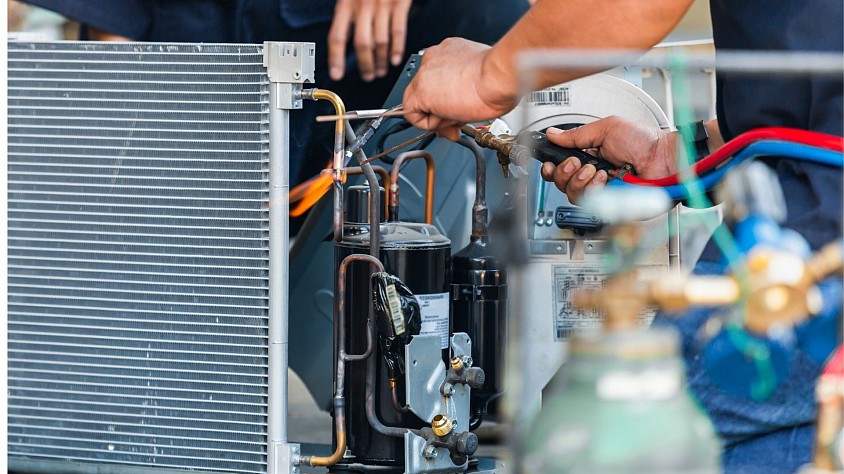
Smart, Efficient Comfort: How Today’s HVAC Innovations Deliver Better Living

Seasonal Efficiency and Smarter Cooling
Air conditioners have come a long way from simple on/off cooling. Modern systems use variable-speed compressors and smart thermostats to adjust output in small increments, keeping temperatures more consistent while using less energy. Updated efficiency standards encourage technology that maintains comfort without excessive cycling. Homeowners benefit from quieter operation, steadier humidity levels, and fewer hot and cold spots. The best performance comes from pairing properly sized equipment with sealed ductwork and balanced airflow. A professional load calculation and thorough commissioning ensure the system matches the home’s needs, not just the square footage. That foundation is critical for comfort and for protecting your investment over time.
Indoor Air Quality: Beyond the Filter
Comfort is more than temperature. Clean, healthy air requires a layered approach that targets particulates, odors, and moisture. Advanced air purifiers work alongside high-MERV filtration to capture fine dust and pollen. Paired with UV or bipolar ionization technologies designed for occupied spaces, these solutions can reduce certain airborne contaminants that standard filters may miss. Managing humidity is just as important: whole-home dehumidifiers and humidifiers help keep relative humidity in the ideal range, which supports respiratory comfort and helps protect wood floors and furnishings. When choosing options, look for systems that integrate with your existing equipment and can be serviced easily.
Consider these IAQ add-ons for a healthier home:
Air purifiers designed for whole-home circulation
Dehumidifiers and humidifiers with smart controls
High-MERV filters sized to avoid airflow restrictions
Sealed ducts to limit dust and attic air infiltration
Going Ductless Without Compromise
For homes with additions, sunrooms, or older construction without existing ducts, ductless mini-split systems offer targeted comfort without major renovation. Wall, ceiling, or floor-mounted air handlers connect to compact outdoor units, delivering zoned heating and cooling precisely where it’s needed. Many models feature inverter technology that ramps up or down to maintain setpoints efficiently. Ductless Mini Split Installation and Ductless Mini Split Replacement can solve comfort issues in rooms that never seem quite right, and they’re a smart choice for garages-turned-offices, attics, and finished basements. Correct sizing, line set routing, and condensate management are essential parts of a clean, reliable installation.
Preventive Maintenance Pays Off
Regular AC Maintenance and seasonal Heating Repair checks protect comfort and reduce surprise breakdowns. Maintenance tasks like cleaning coils, verifying refrigerant charge, checking electrical connections, and calibrating thermostats help systems run within design parameters. Small issues—like a clogged drain line or weak capacitor—can be addressed before they escalate into costly repairs. A spring tune-up sets the stage for efficient summer cooling, while a fall furnace inspection ensures dependable heat when the first cold front arrives. Maintenance plans also create a record of service that supports equipment longevity and may help preserve manufacturer warranties.
The Water-Heating and Plumbing Connection
Your home’s comfort ecosystem also includes reliable hot water and healthy plumbing. Water Heater Repair can restore performance and extend the life of storage and tankless systems when issues are caught early. Anode inspections, flushing to remove sediment, and proper venting checks are simple steps that improve safety and efficiency. On the plumbing side, leak detection, pressure regulation, and drain health directly affect HVAC performance by protecting condensate lines, preventing water damage near air handlers, and preserving indoor air quality in mechanical spaces. Coordinating HVAC and Plumbing service visits streamlines upkeep and minimizes disruption.
Choosing Local Expertise
Selecting the right partner matters as much as selecting the right equipment. Reputable pros bring load calculations, airflow testing, and manufacturer-trained installation practices to every job. For homeowners comparing options, seek clear proposals, documented sizing methods, and strong post-install support. When researching hvac contractors alpharetta, look for transparent communication, responsive scheduling, and technicians who explain findings in plain language. The result is a home that feels balanced year-round, with systems that run efficiently, reliably, and safely.
Smart Seasonal Strategies for Reliable Home Comfort in Alpharetta
Keeping Comfort Consistent: Why Local Climate Matters
Alpharetta’s steamy summers and chilly winter snaps put steady pressure on heating and cooling systems. Homes that perform well across seasons share a common theme: they pair routine care with thoughtful upgrades, ensuring efficient operation when the weather swings. Whether you rely on central air or a mix of solutions, getting proactive with AC Maintenance and Heating Repair helps preserve comfort, lower strain on equipment, and reduce unexpected disruptions.
Understanding the Full HVAC Landscape
Reliable comfort involves more than changing a filter now and then. A strong plan covers the life cycle of your system—tune-ups, small fixes, and timely improvements. During peak heat, AC Installation decisions should focus on right-sized equipment and airflow design. In winter, Furnace Repair can restore dependable heat and improve safety. For homes without traditional ductwork, Ductless Mini Split Installation and Ductless Mini Split Replacement offer zoned temperature control with flexible placement and quiet operation.
Key Maintenance Moves for Hot, Humid Summers
Humidity control is essential for indoor comfort and air quality. Dehumidifiers & Humidifiers help keep moisture in the optimal range, reducing stickiness in summer and dryness in winter. Pairing these with Air Purifiers helps capture particles that can circulate when doors and windows stay closed. When temperatures spike, scheduling AC Maintenance before peak demand is a simple way to verify refrigerant levels, tighten electrical connections, and confirm airflow—small steps that make a big difference during a heat wave.
When Repairs Are the Smart Move
Even well-kept systems encounter wear. Catching issues early often prevents larger problems. If your cooling starts short-cycling or the thermostat can’t maintain set temperatures, a targeted fix can restore performance. Homeowners frequently search for help with issues specific to their area, such as bold text air conditioning repair alpharetta bold text, because local pros understand neighborhood housing styles, attic insulation patterns, and typical duct layouts that influence system performance.
Whole-Home Considerations Beyond the Air Handler
Comfort depends on more than the blower and coils. Plumbing influences daily life too, especially hot water supply. Water Heater Repair can restore reliable showers and dishwashing while improving household efficiency. Duct integrity matters as well; leaky runs can sabotage even the best equipment. Ask for a duct assessment during seasonal checkups to address hidden losses that drive up bills and reduce comfort in distant rooms.
Practical Steps Homeowners Can Take Now
Schedule preventive service: Put AC Maintenance on the calendar in spring and Heating Repair checks in fall to minimize downtime during extremes.
Replace filters regularly: Dirty filters strain motors and reduce airflow; follow manufacturer guidance for change intervals based on household activity.
Seal and insulate: Address attic insulation gaps and duct leaks to help AC Installation or Furnace Repair investments deliver full benefits.
Calibrate thermostats: Confirm accurate readings and consider smart controls for stable temperatures and energy savings.
Manage moisture: Use Dehumidifiers & Humidifiers to keep indoor humidity in a comfortable range, helping your system work less for the same comfort.
Improve air quality: Air Purifiers can reduce particulates that aggravate allergies, especially in tightly sealed homes.
Planning Ahead for Upgrades
If your system is aging, weigh the advantages of a modern unit that matches your home’s size and lifestyle. For additions, offices over garages, or sunrooms, Ductless Mini Split Installation creates independent zones without extending ductwork. When existing equipment shows its age or frequent service calls stack up, Ductless Mini Split Replacement or a carefully scoped AC Installation can reset reliability and efficiency for the long term.
A Balanced Approach to Year-Round Comfort
Consistency is the real measure of a healthy home environment. By blending scheduled care, timely Furnace Repair or cooling fixes, and selective upgrades, households can navigate Alpharetta’s climate with fewer surprises. For many residents, bold text air conditioning repair alpharetta bold text becomes part of a comprehensive plan that also includes moisture management, air filtration, and hot water reliability. With a clear strategy, your home stays comfortable, efficient, and ready for whatever the season brings.
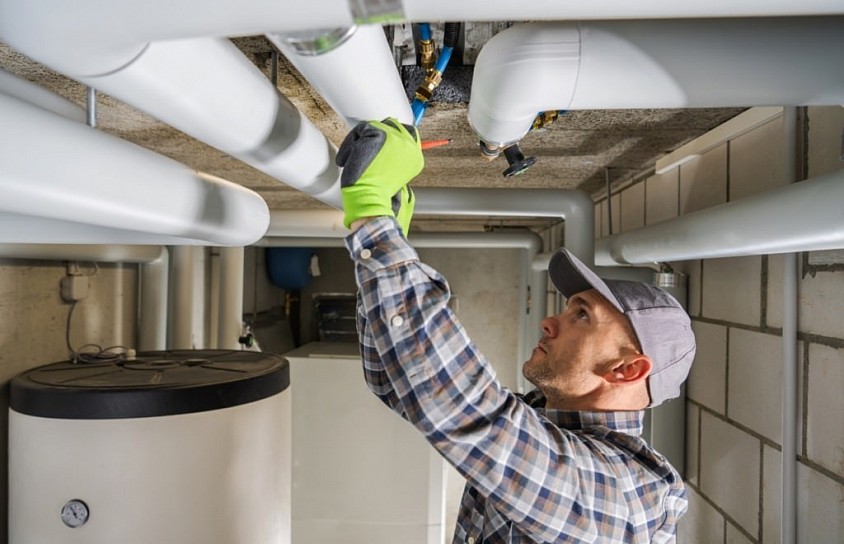
Smart Seasonal Strategies for Reliable Home Comfort in North Georgia

Home Comfort Planning for Year-Round Reliability
North Georgia’s swing from humid summers to brisk winters makes consistent indoor comfort a moving target. Building a smart plan around maintenance, equipment selection, and indoor air quality helps households stay efficient and comfortable in every season. Homeowners often look to experienced professionals—such as hvac contractors alpharetta specialists—for guidance on best practices, cost-saving upgrades, and timely service scheduling that reduces surprise breakdowns.
Why Seasonal Maintenance Matters
Regular tune-ups keep systems operating near their design potential. AC Maintenance ahead of hot weather can help cooling equipment run more smoothly, while a fall visit aimed at Heating Repair checks critical components before the first cold snap. System performance depends on airflow, clean filters, and calibration. Staying proactive with HVAC and Plumbing inspections mitigates small issues before they snowball into comfort disruptions or water-related headaches.
Smart Choices for Cooling
As temperatures climb, a well-matched cooling system makes a noticeable difference. AC Installation is most effective when equipment sizing, duct condition, and airflow are evaluated together. In homes without ductwork, Ductless Mini Split Installation offers room-by-room control with quiet, efficient operation. For aging or underperforming units, Ductless Mini Split Replacement can refresh comfort while simplifying maintenance. Pair these upgrades with thoughtful AC Maintenance to keep coils and drains clean and to verify refrigerant levels.
Warmth Without Worry
Reliable heat starts with a clean, tested system before winter arrives. Heating Repair targets performance issues like weak airflow or inconsistent temperatures, while Furnace Repair focuses on components specific to furnaces. A pre-season check helps confirm proper ignition, ventilation, and overall safety. If comfort rooms vary widely in temperature, balancing airflow and assessing insulation can often resolve the problem without major renovation.
Clean, Healthy Air Indoors
Indoor air can be several times more polluted than outdoor air, especially when homes are tightly sealed for energy savings. Air Purifiers capture particles such as dust and pollen, while Dehumidifiers & Humidifiers help manage moisture. Balanced humidity supports comfort, reduces musty odors, and protects wood furnishings. Integrating purification and humidity control with HVAC operations avoids competing settings and helps maintain steady, breathable air throughout the home.
Plumbing and Hot Water Resilience
Plumbing plays a key role in daily comfort. Small drips, slow drains, or pressure changes are signals to act early. For hot water, inconsistent temperature or recovery time may indicate the need for Water Heater Repair. Seasonal shifts also make pipes and fixtures more vulnerable to stress. A quick inspection to identify corrosion, sediment buildup, or aging supply lines can ward off leaks and extend equipment life.
Essential Home Comfort Checklist
Schedule AC Maintenance each spring to confirm airflow and condensate drainage.
Book a fall Heating Repair assessment to verify safe heat and efficient operation.
Consider AC Installation or Ductless Mini Split Installation for rooms that never cool evenly.
Plan Ductless Mini Split Replacement when repair costs or inefficiency become recurring issues.
Add Air Purifiers where allergies are a concern or dust accumulates quickly.
Balance moisture with Dehumidifiers & Humidifiers to keep indoor air in a healthy range.
Arrange a Plumbing review before peak seasons to catch leaks or pressure problems early.
Prioritize Water Heater Repair if you notice fluctuating temperatures or strange noises.
Putting It All Together
Comfort, efficiency, and longevity come from consistent upkeep and informed upgrades. When each system—cooling, heating, air quality, and plumbing—works in harmony, daily life feels easier and energy use stays in check. With clear priorities, a seasonal schedule, and the support of trusted pros, homeowners can stay ready for whatever the forecast brings and enjoy reliable comfort all year.
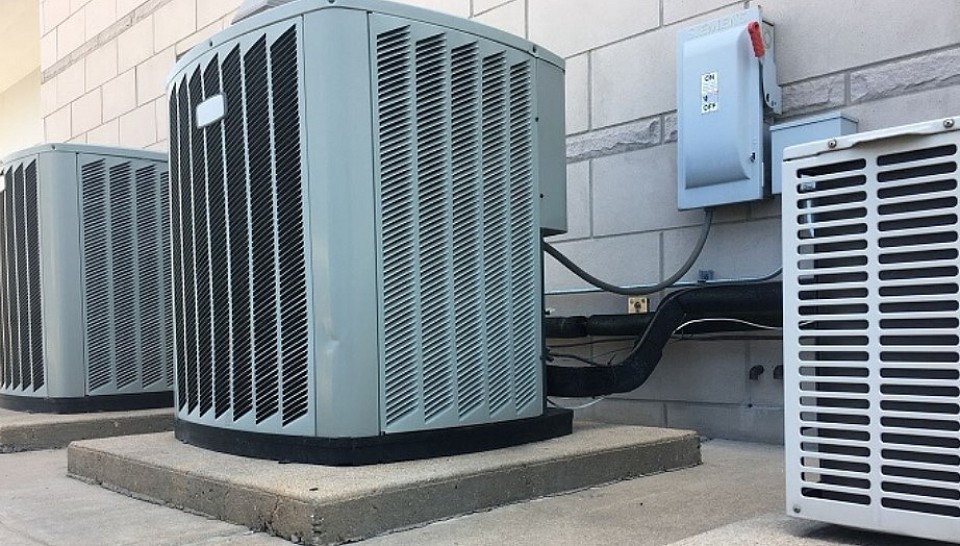
Five HVAC Best Practices Homeowners Overlook (And Why They Matter in Hot, Humid Climates)
Heat, humidity, and sudden cold snaps place constant stress on residential HVAC systems, and understanding a few fundamentals can prevent breakdowns, boost comfort, and reduce energy waste.
Match system size to the home’s real load
Oversized and undersized systems create different but equally frustrating problems. An oversized air conditioner cools the air too quickly, short cycling before it can remove enough humidity; rooms feel clammy, thermostats yo-yo, and components wear out faster. Undersized equipment runs endlessly on hot afternoons and still struggles to keep up, which can drive up utility bills. Proper sizing starts with a room-by-room load calculation that factors in square footage, insulation levels, window orientation, shading, occupancy, and air leakage. For example, an open-plan main floor with large west-facing windows may need a different capacity mix than a finished basement that stays naturally cool. When the capacity truly fits the load, the system runs long enough to dehumidify, maintains steady temperatures, and avoids the constant hard starts that shorten compressor life.
Prioritize airflow and duct performance
Even perfectly sized equipment underperforms if the ducts choke airflow. Kinked flex runs, crushed takeoffs, and unsealed joints can starve a blower of the static pressure it needs to move conditioned air. Symptoms include hot and cold spots, whistling vents, dust buildup, and a system that seems loud but weak. A practical example: a bonus room over the garage often struggles because the supply run is long and poorly insulated, while the return path is undersized or missing. A professional can measure external static pressure, verify proper return sizing, and seal ducts with mastic rather than unreliable tape. Adding a dedicated return, balancing dampers, or increasing trunk size can transform comfort. High-MERV filters are helpful, but they must be selected to match the blower’s capabilities; otherwise, the filter itself becomes a bottleneck. Aim for clean, unobstructed returns, properly sealed supply lines, and insulation that protects conditioned air from attic or crawlspace temperatures.
Control humidity with more than temperature settings
In humid regions, comfort depends on moisture control as much as degrees on the thermostat. Air conditioners dehumidify as they cool, but only when they run long enough and at correct airflow. If the blower speed is set too high, air passes the coil too quickly to wring out moisture; too low, and the coil risks icing. Thermostats with dehumidification features, paired with correct fan settings, can maintain a healthier indoor relative humidity. Consider a real-world scenario: after a thunderstorm, outdoor air turns muggy while temperatures dip slightly. The home may feel sticky even though the thermostat shows the right setpoint. With proper dehumidification controls, the system can run in a mode that targets moisture, preventing that heavy, damp feel that leads to musty odors and warped woodwork. Well-sealed ducts and controlled ventilation also protect indoor air quality by keeping unconditioned, damp air out of wall cavities where it can condense.
Maintain proactively to prevent peak-season breakdowns
Small issues escalate when the first heat wave hits. A weak capacitor, dirty outdoor coil, or low refrigerant charge can tip a system into failure precisely when comfort matters most. Routine checkups catch the early warnings: temperature splits out of range, high head pressure, or blower amperage that hints at a failing motor. Cleaning condenser fins, tightening electrical connections, and testing safety controls dramatically reduces surprise outages. For example, a homeowner who schedules spring maintenance avoids the rush and discovers a clogged condensate drain. Clearing it prevents water damage and a mid-July shutdown caused by a tripped float switch. Night-and-day differences in comfort often trace back to simple tasks like replacing a clogged filter every one to three months—more frequently if there are pets, renovation dust, or heavy pollen. When systems falter despite good upkeep, prompt diagnostics remain essential, and it’s common for residents to look for air conditioning repair alpharetta during the first hot spell to restore cooling before indoor temps climb.
Use smart controls and insulation upgrades to stretch performance
Thermostats have evolved beyond basic scheduling. Smart models learn patterns, stage cooling gently to reduce peaks, and provide alerts when runtime spikes signal a developing problem. Zoning can further tailor comfort, especially in two-story homes where upstairs rooms overheat in late afternoon. However, controls work best when the building envelope cooperates. Air sealing and insulation upgrades complement HVAC by reducing the load in the first place. Think of a vented attic with minimal insulation: the upstairs thermostat calls for cooling constantly because attic heat radiates through ceilings. Adding insulation to recommended levels and sealing top-plate gaps around wiring penetrations lowers that heat gain, letting smaller, quieter cycles maintain comfort. In mixed climates with brisk winters and long summers, these improvements reduce strain year-round. The result is steadier temperatures, fewer emergency calls, and equipment that lasts longer under less punishing conditions.
Five Pillars of High-Quality Residential HVAC Installation and Performance
Homeowners and builders increasingly expect HVAC systems that balance comfort, efficiency, and reliability from design through final commissioning.
Load Calculations and System Design
Start with precise load calculations and a thoughtful design. Reliable comfort begins on paper, not at the equipment pad. A proper Manual J calculation accounts for orientation, insulation values, window types, air leakage, and local climate to determine the true heating and cooling loads. Pair that with a Manual S equipment selection and a Manual D duct design, and the result is a system tailored to the structure rather than a one-size-fits-all unit. Consider a remodeled bonus room over a garage: heat gain can spike on sunny afternoons, while winter losses surge through exposed floors. A careful calculation may reveal the need for a dedicated supply and return, a slightly larger return grille, or even a zoned solution. Getting design right prevents short cycling, rooms that run too hot or too cold, and unnecessary energy use, setting the foundation for long-term performance.
Equipment Selection for Climate and Comfort Goals
Choose equipment that aligns with climate, comfort expectations, and budget priorities. For alpharetta air conditioning installation, humidity control is just as important as sensible cooling. Variable-speed or two-stage compressors can run longer at lower speeds, promoting superior dehumidification and quieter operation. Pair that with ECM blower motors for smooth airflow ramps and better filtration. When code or incentives point to higher efficiency, evaluate SEER2 and EER2 ratings alongside features like enhanced coil coatings for durability and smart defrost strategies in heat pumps. In a tight, well-insulated home, a smaller, modulating heat pump may outperform a larger single-stage system by maintaining steady temperatures with minimal swings. For homes without existing ductwork or for additions, ductless mini-splits offer zoned comfort and flexible placement options—handy for a sunroom that overheats or a finished basement that struggles to stay dry and comfortable.
Airflow, Ductwork, and Static Pressure Control
Engineer airflow to support efficiency and comfort in every room. Ducts are the circulatory system of HVAC, and undersized returns, sharp elbows, or crushed flex runs starve equipment of airflow. The outcome is higher static pressure, noisy vents, and reduced capacity. Use properly sized trunks and branches, gradual transitions, and supported flex runs with minimal kinks. Seal all joints with mastic or UL-listed tape, then insulate in unconditioned spaces to prevent condensation and temperature loss. Aim for balanced supply and return paths; a bedroom with a closed door and no return pathway may suffer from stale air and pressure imbalances. Consider high-low return strategies or transfer grilles where architectural constraints exist. On the equipment side, verify blower settings to match tonnage and external static; a system designed to move more air than the duct system can handle will waste energy and wear components prematurely.
Quality Installation, Commissioning, and Verification
Treat installation and commissioning as a single continuous process. Precise refrigerant charge, accurate line set sizing, proper evacuation to deep vacuum, and nitrogen pressure testing protect compressors and coils while preserving capacity. Electrical connections should be tightened to manufacturer torque specs, and condensate management must include traps where required and level pans with reliable overflow protection. Once assembled, commission the system: measure static pressure, verify temperature split, and confirm blower speeds and thermostat staging. Smart thermostats should be configured to the equipment type and airflow profile. Use instruments—not assumptions—to validate performance. For example, if the delta T is lower than expected on a hot day, look for low charge or excessive airflow; if it’s too high, investigate restricted filters or undersized returns. Documenting baseline readings gives future technicians a roadmap for maintenance and troubleshooting.
Codes, Indoor Air Quality, and Ongoing Care
Integrate code compliance, indoor air quality, and routine care into the plan. Pull required permits and meet mechanical, electrical, and refrigeration standards to protect safety and uphold warranties. Combustion appliances, where present, need proper venting and makeup air to avoid backdrafting. On the IAQ front, right-size filtration to the blower’s capabilities, pairing a media filter with a pressure drop that won’t compromise airflow. In humid seasons, maintain condensate lines and consider whole-home dehumidification if persistent moisture issues arise. Establish a maintenance rhythm that includes filter changes, coil and drain cleaning, outdoor coil rinses, and operational checks before peak seasons. As an example, a coastal home might need more frequent coil cleaning due to salt exposure, while a heavily wooded property could require seasonal checks for debris around the outdoor unit. Educating occupants on thermostat schedules, filter access, and clearances around equipment helps preserve performance. The payoff is consistent comfort, cleaner air, and equipment that serves reliably through summer heat waves and winter cold snaps.